10-26-26 Fertilizer
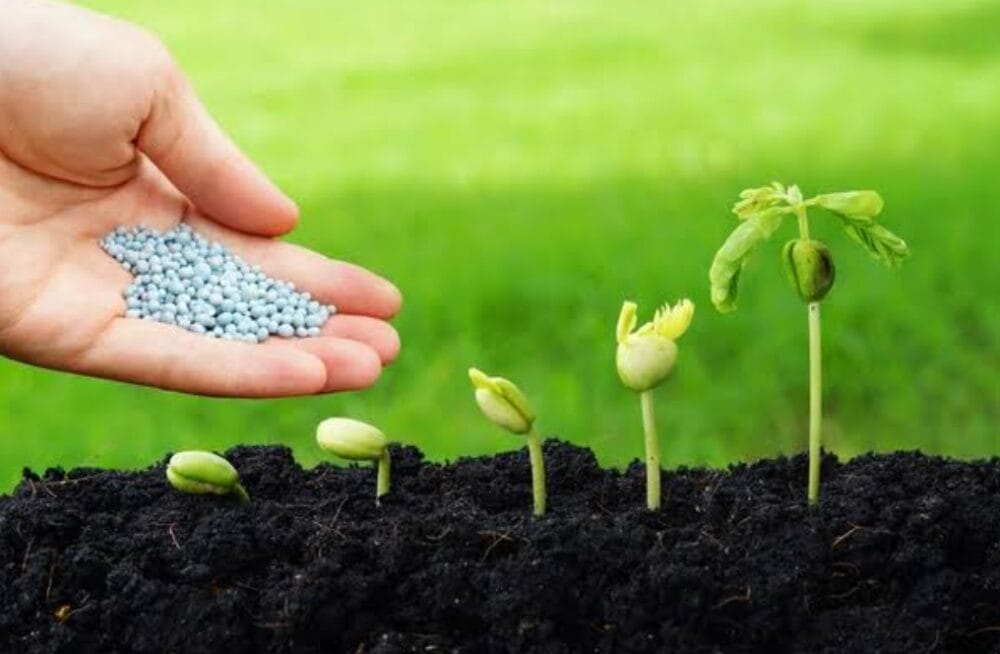
Fertilizers play a vital role in modern agriculture by supplying essential nutrients that crops need for healthy growth and high yields. Among the many fertilizer formulations available, 10-26-26 fertilizer is widely used due to its balanced nutrient composition that supports strong root development, flowering, and fruit formation.
This fertilizer is especially popular in crop production where phosphorus and potassium are required in higher amounts than nitrogen.
What Is 10-26-26 Fertilizer?
The numbers 10-26-26 represent the percentage of three primary plant nutrients:
- Nitrogen (N) – 10%
- Phosphorus (P) – 26%
- Potassium (K) – 26%
This means the fertilizer contains moderate nitrogen and high levels of phosphorus and potassium. Such a nutrient ratio is ideal for crops during early growth stages, flowering, and fruiting periods.


Role of Nutrients in 10-26-26 Fertilizer
Nitrogen (10%)
Nitrogen is essential for vegetative growth. It promotes:
- Leaf development
- Green color due to chlorophyll production
- Overall plant vigor
Since nitrogen is present in moderate quantity, this fertilizer avoids excessive leafy growth and focuses more on reproductive development.
Phosphorus (26%)
Phosphorus plays a key role in:
- Strong root development
- Flower and seed formation
- Energy transfer within the plant
High phosphorus content makes 10-26-26 especially beneficial during early crop establishment and flowering stages.
Potassium (26%)
Potassium improves:
- Fruit size and quality
- Disease resistance
- Water regulation in plants
- Stress tolerance (drought and temperature)
This high potassium level ensures stronger plants and better yields.
Uses of 10-26-26 Fertilizer
1. Root Development
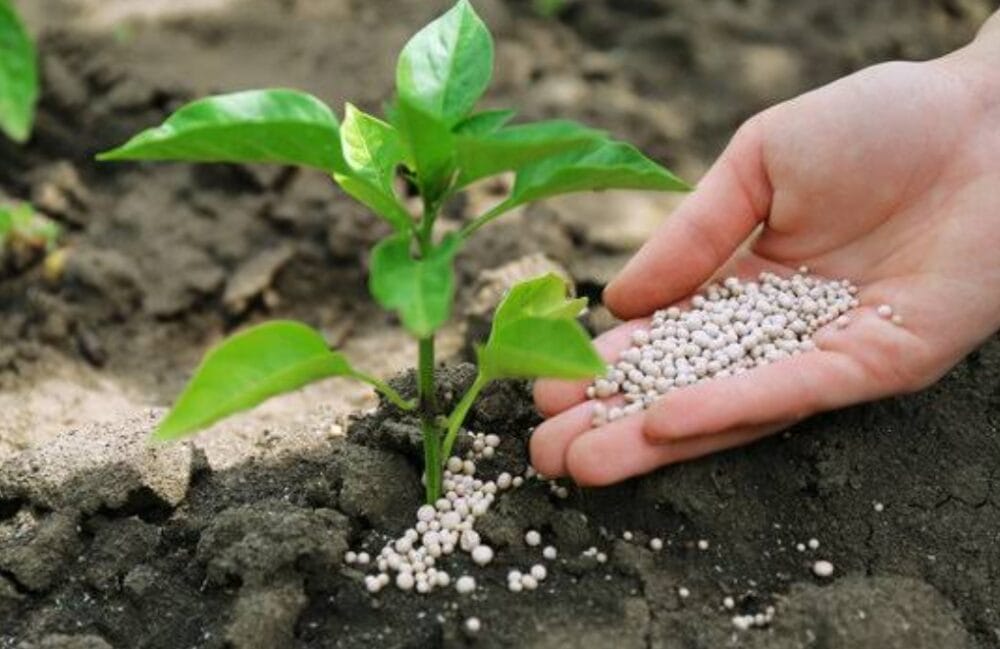
10-26-26 fertilizer is commonly used at the initial growth stage of crops. The high phosphorus content encourages deep and healthy root systems, allowing plants to absorb nutrients and water more efficiently.
2. Flowering and Fruiting
This fertilizer is ideal during the flowering and fruit-setting stage. Potassium improves flower retention, reduces flower drop, and enhances fruit formation.
3. Vegetable Crops
Vegetables such as tomatoes, potatoes, onions, chilies, brinjal, and cucurbits respond well to 10-26-26 fertilizer. It improves yield, size, taste, and shelf life of produce.
4. Fruit Crops
Fruit crops like banana, grapes, citrus, pomegranate, and mango benefit from this fertilizer, especially during flowering and early fruit development stages.
5. Field Crops
Crops such as maize, wheat, rice, cotton, and pulses can use 10-26-26 as a basal or early growth fertilizer to improve plant strength and productivity.
Also Read: Top 10 Benefits of Organic NPK Fertilizers for healthy plants
6. Soil Nutrient Correction
In soils deficient in phosphorus and potassium, 10-26-26 helps restore nutrient balance and improves long-term soil fertility.
7. Stress Resistance
Potassium enhances plant resistance against pests, diseases, drought, and heat stress, making crops healthier and more resilient.
Application Methods
Soil Application
- Apply as basal fertilizer before sowing or transplanting.
- Mix well into the soil near the root zone.
- Suitable for dry land and irrigated crops.
Fertigation
- Can be applied through drip irrigation systems.
- Ensures uniform nutrient distribution and efficient absorption.
Foliar Application (if water-soluble)
- Used in diluted form during critical growth stages.
- Provides quick nutrient uptake.
Recommended Dosage
The dosage depends on crop type, soil fertility, and growth stage. On average:
- Field crops: 100–200 kg per hectare
- Vegetables: 150–250 kg per hectare
- Fruit crops: 200–300 kg per hectare (split doses)
Soil testing is strongly recommended before application for best results.
Advantages of 10-26-26 Fertilizer
- Balanced nutrition for reproductive growth
- Improves crop yield and quality
- Enhances root strength and plant vigor
- Reduces nutrient deficiency symptoms
- Suitable for a wide range of crops
Precautions
- Avoid excessive application to prevent nutrient imbalance
- Always irrigate after soil application
- Do not mix with incompatible fertilizers or chemicals
- Follow soil test recommendations
Conclusion
10-26-26 fertilizer is a highly effective nutrient solution for crops that require strong root systems, better flowering, and improved fruit quality. Its high phosphorus and potassium content make it ideal for both short-duration and long-duration crops. When applied at the right time and in proper quantity, it significantly boosts productivity, crop health, and farm profitability.
Frequently Asked Questions (FAQ)
1. What is 10-26-26 fertilizer mainly used for?
It is mainly used to promote root development, flowering, and fruiting in crops.
2. Which crops benefit most from 10-26-26 fertilizer?
Vegetables, fruit crops, cereals, pulses, and oilseeds benefit greatly from this fertilizer.
3. Can 10-26-26 fertilizer be used at sowing time?
Yes, it is ideal as a basal fertilizer during sowing or transplanting.
4. Is 10-26-26 suitable for all soils?
It works best in soils low in phosphorus and potassium. Soil testing is recommended.
5. Can it be used in drip irrigation?
Yes, water-soluble forms of 10-26-26 can be applied through fertigation.
6. Does 10-26-26 increase yield?
Yes, it improves yield, fruit quality, and overall plant health when used correctly.
7. How often should 10-26-26 fertilizer be applied?
Application frequency depends on crop type and growth stage, usually 1–2 split doses.
Also Read:Fertilizers are food for plants: they provide nutrients for plants to grow and thrive.